Data Shak Stem Amaranth 300+ Seeds, Heirloom Non-GMO Bengali Vegetable
$3.53
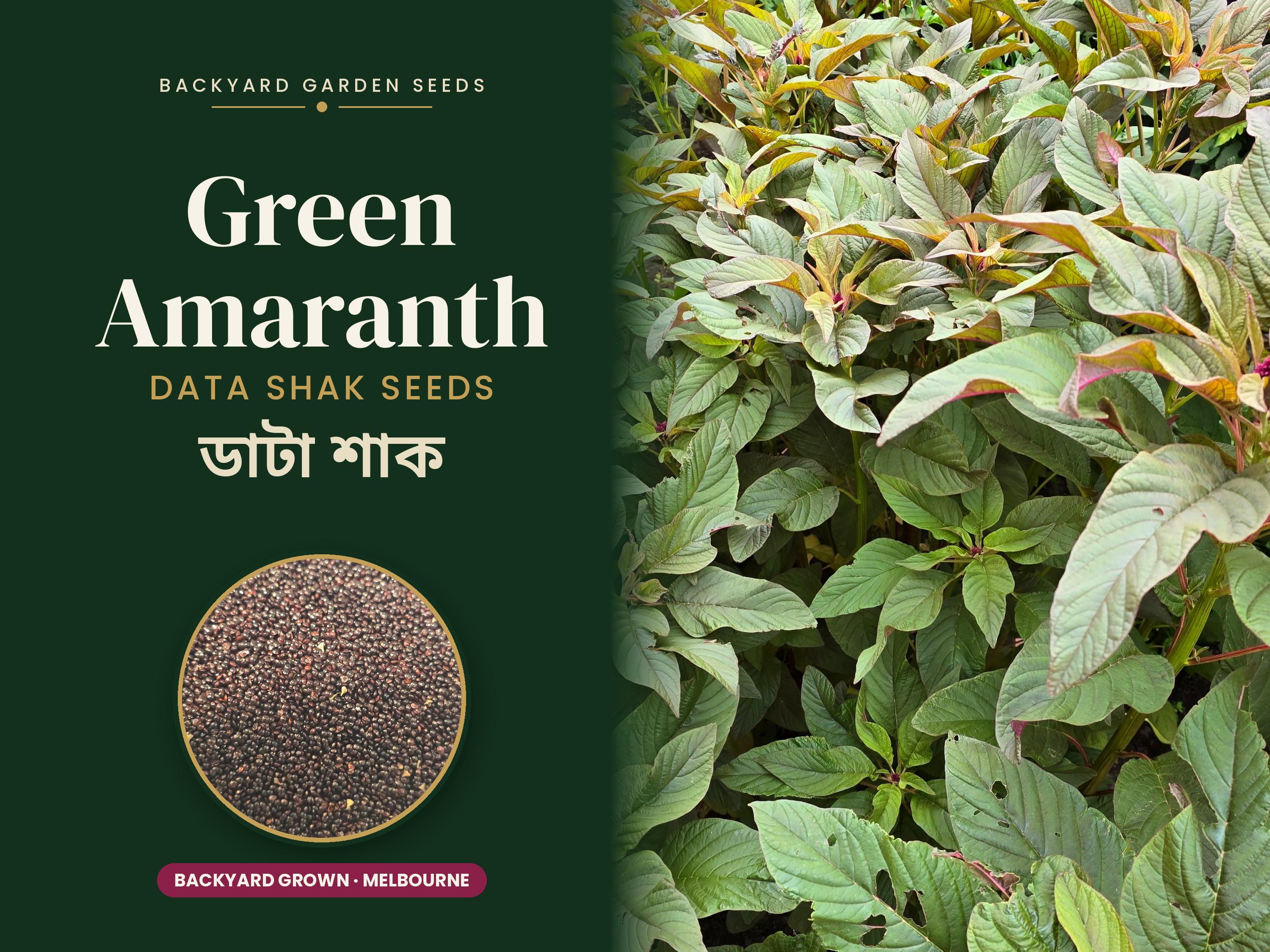
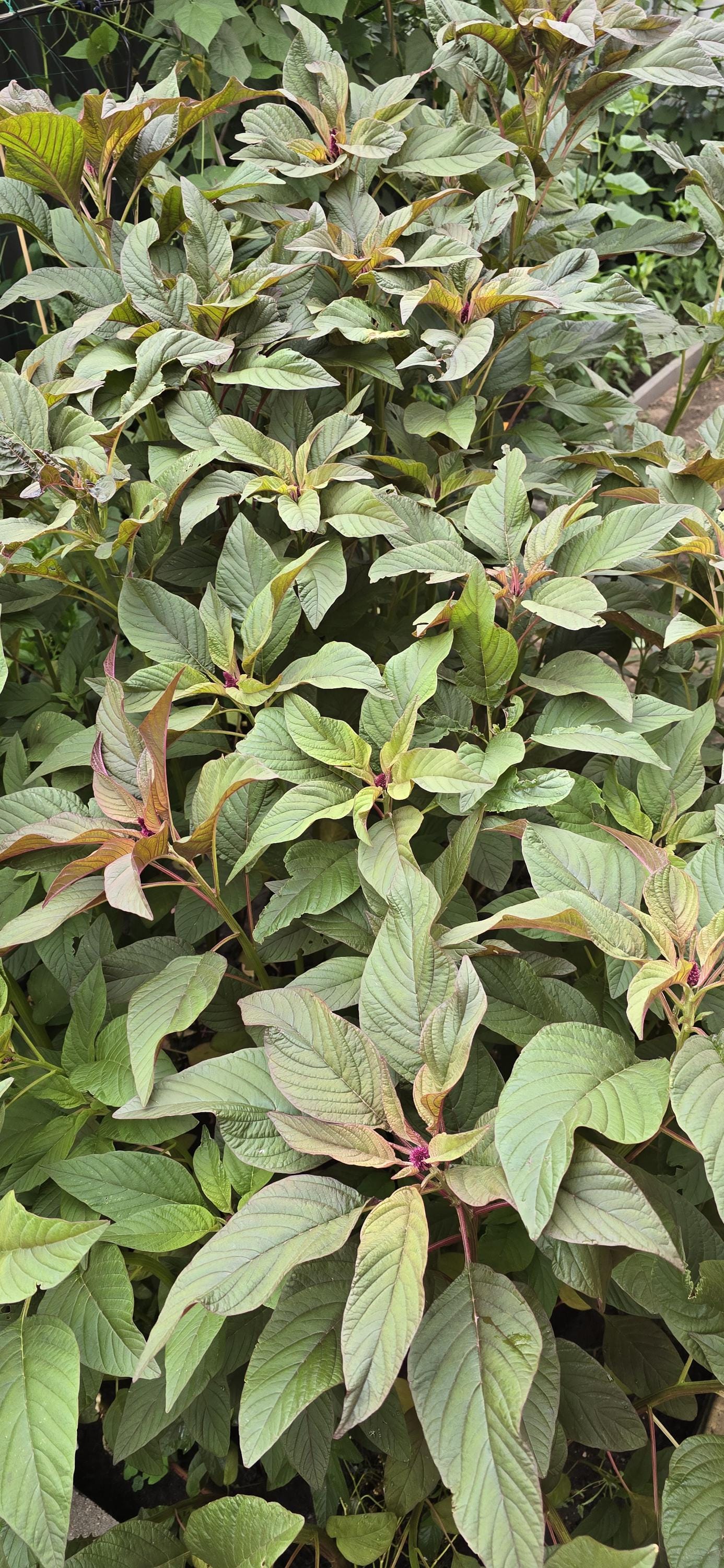
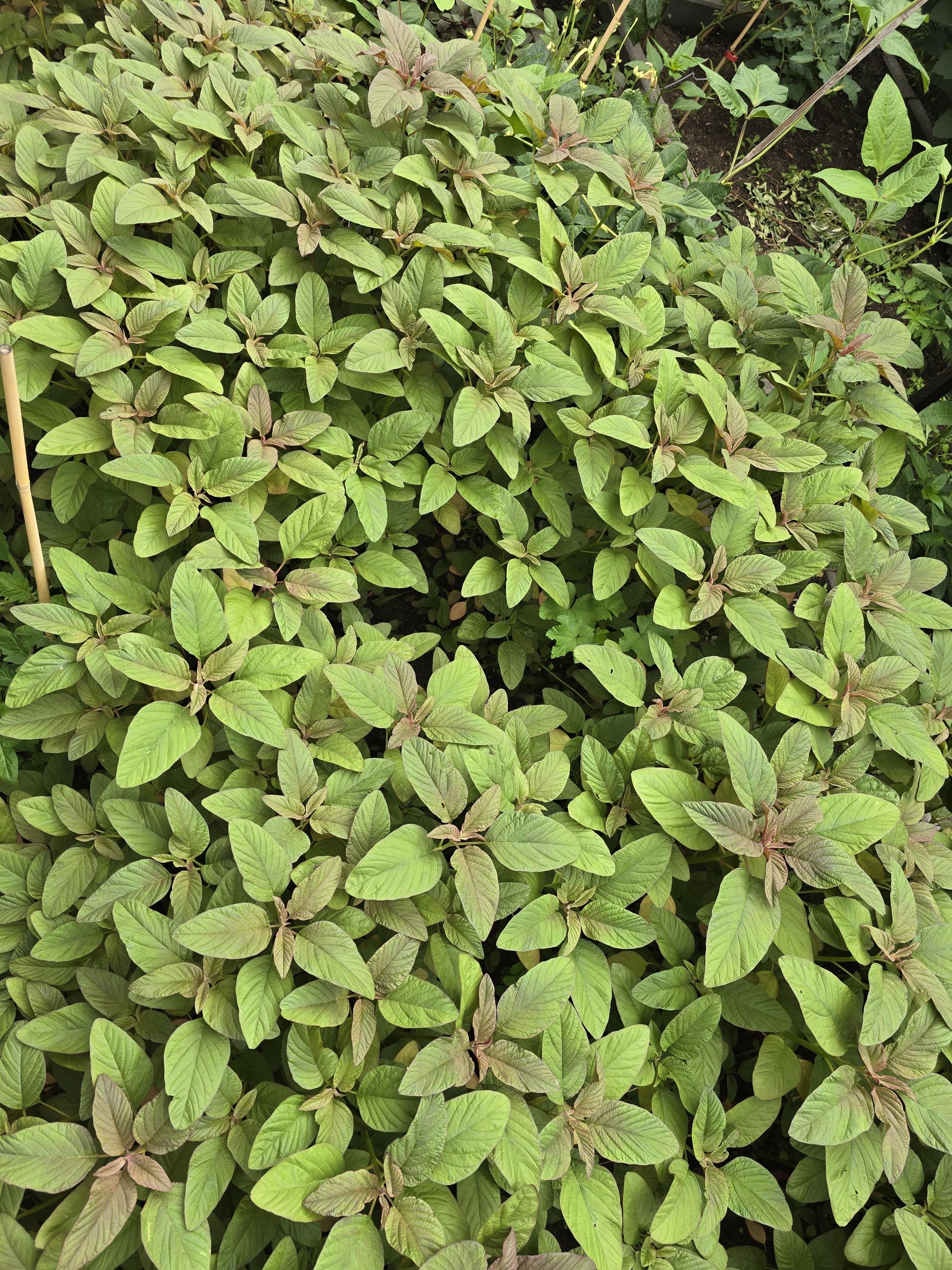
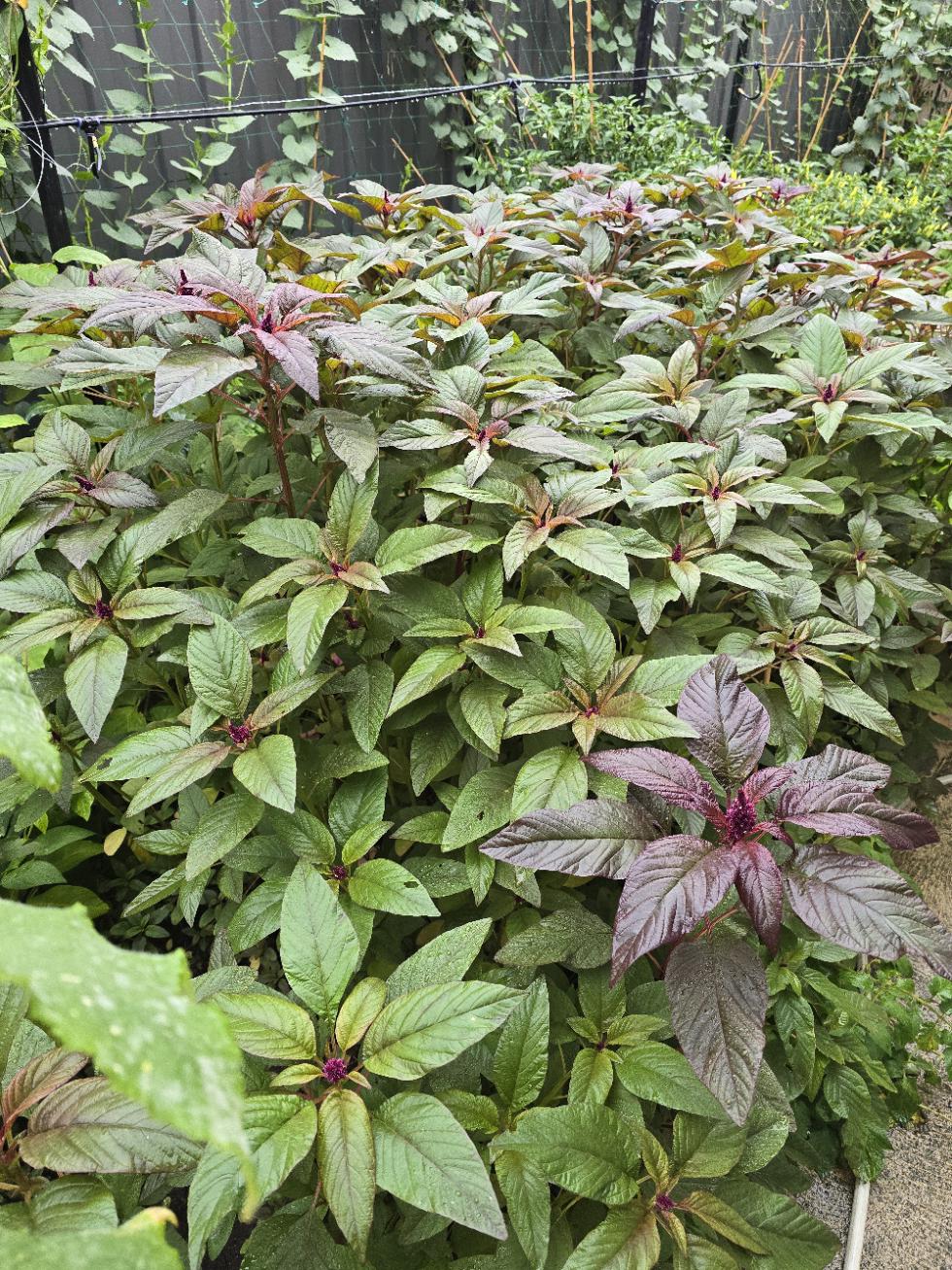
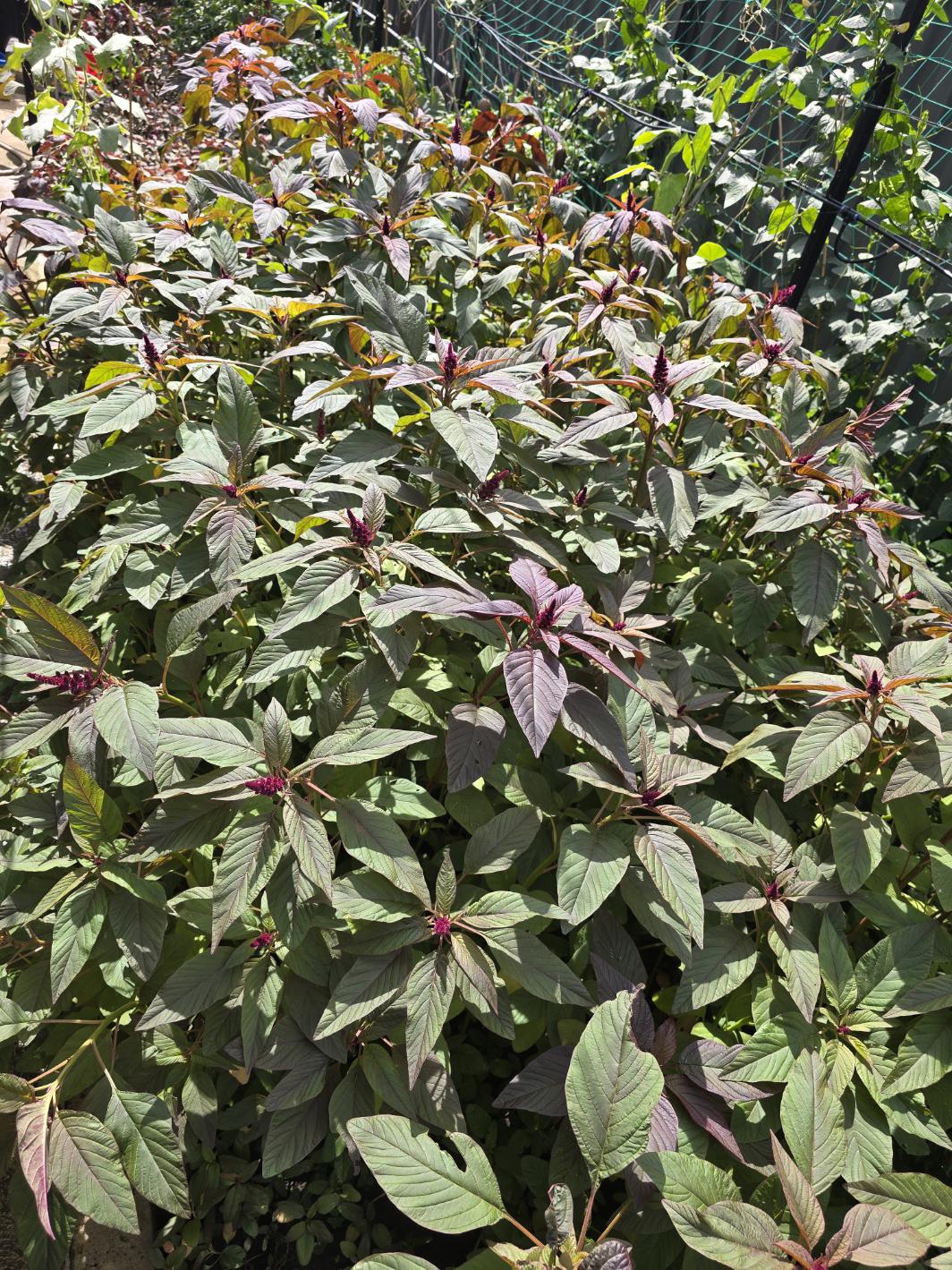
Grow your own Data Shak at home 🌱 Heirloom stem amaranth, the Bengali favourite grown for its thick, juicy stems and tender leaves, from non-GMO seeds packed in Melbourne.
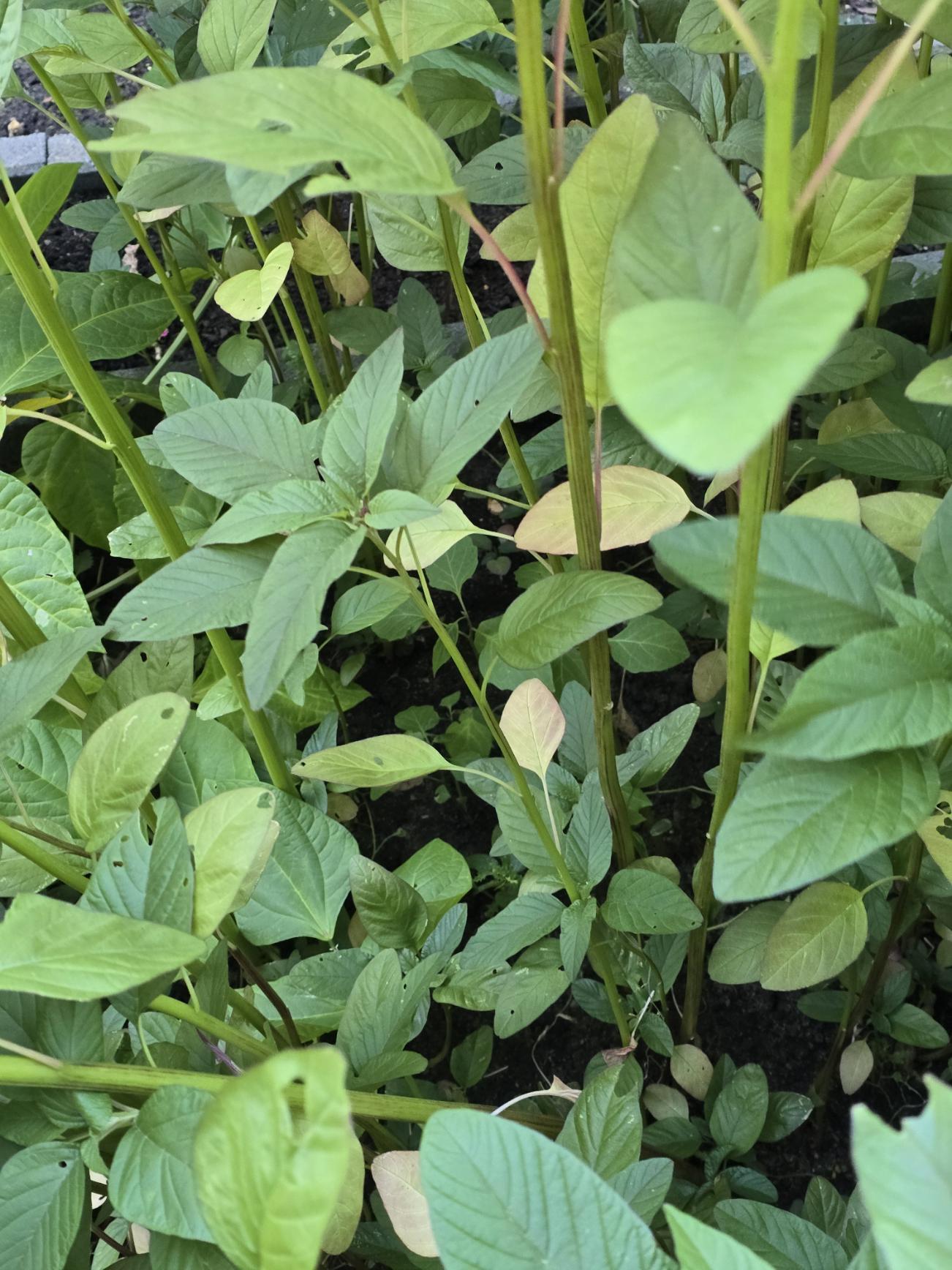
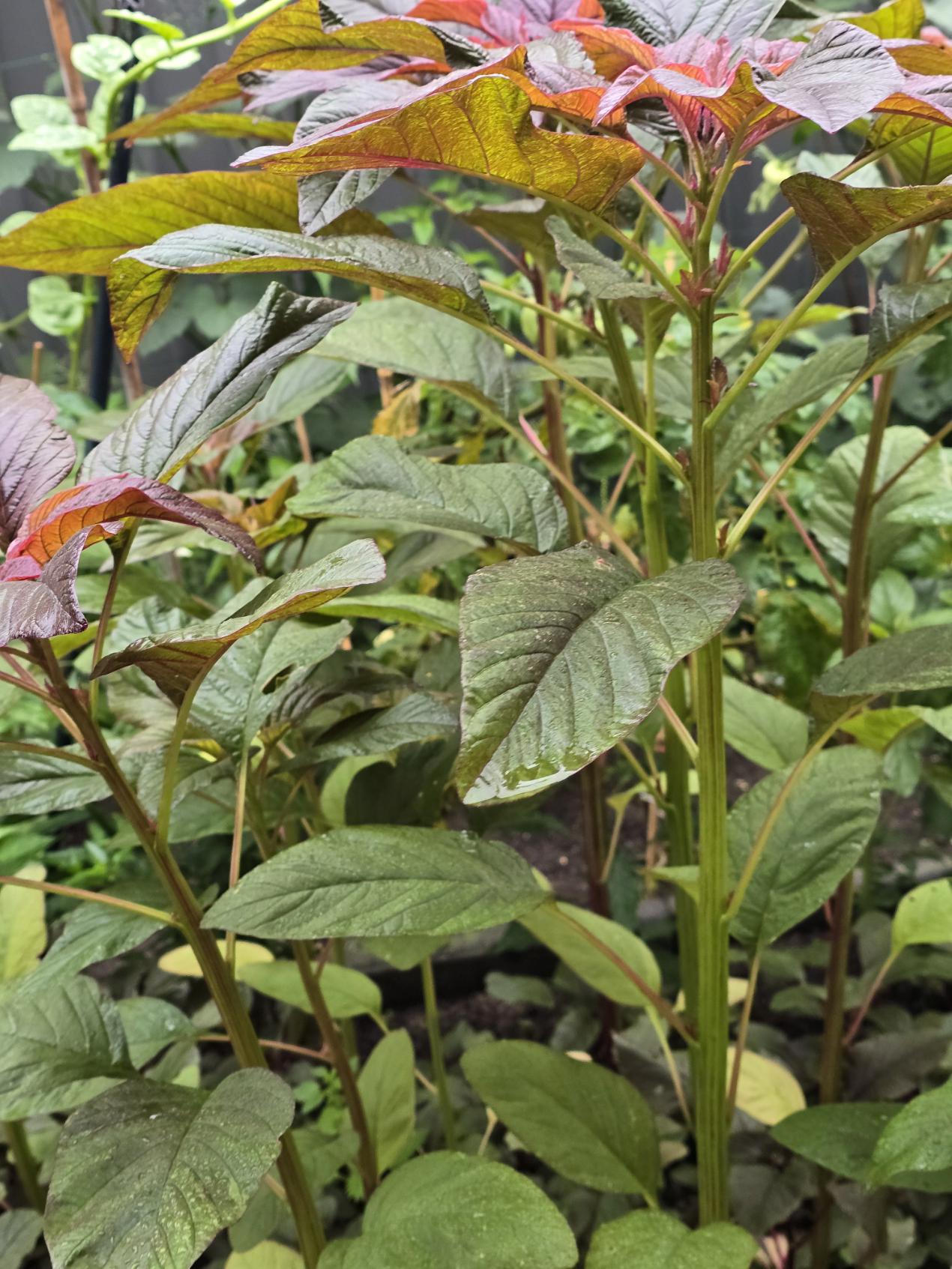
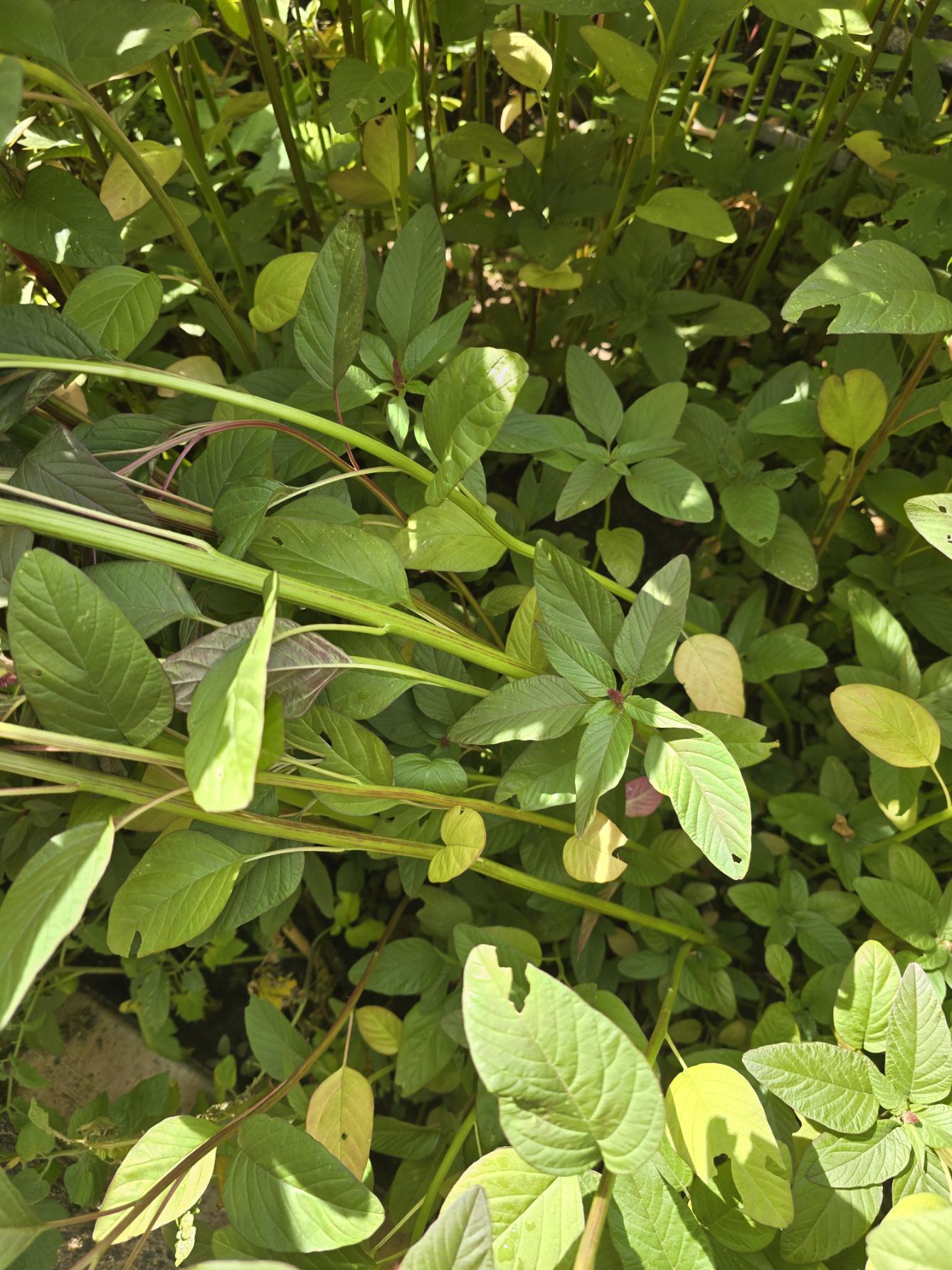
Data Shak is a taller, sturdier type of amaranth grown mainly for its soft, fleshy stems (data), with the leaves as a bonus. It's a much-loved ingredient in Bengali cooking: chorchori, shukto, dal, and fish curries. It's hard to find fresh in Australia, but it's easy to grow at home in warm weather.
━━━━━━━━━━━━━━━━━━
🌿 WHAT YOU'LL RECEIVE
━━━━━━━━━━━━━━━━━━
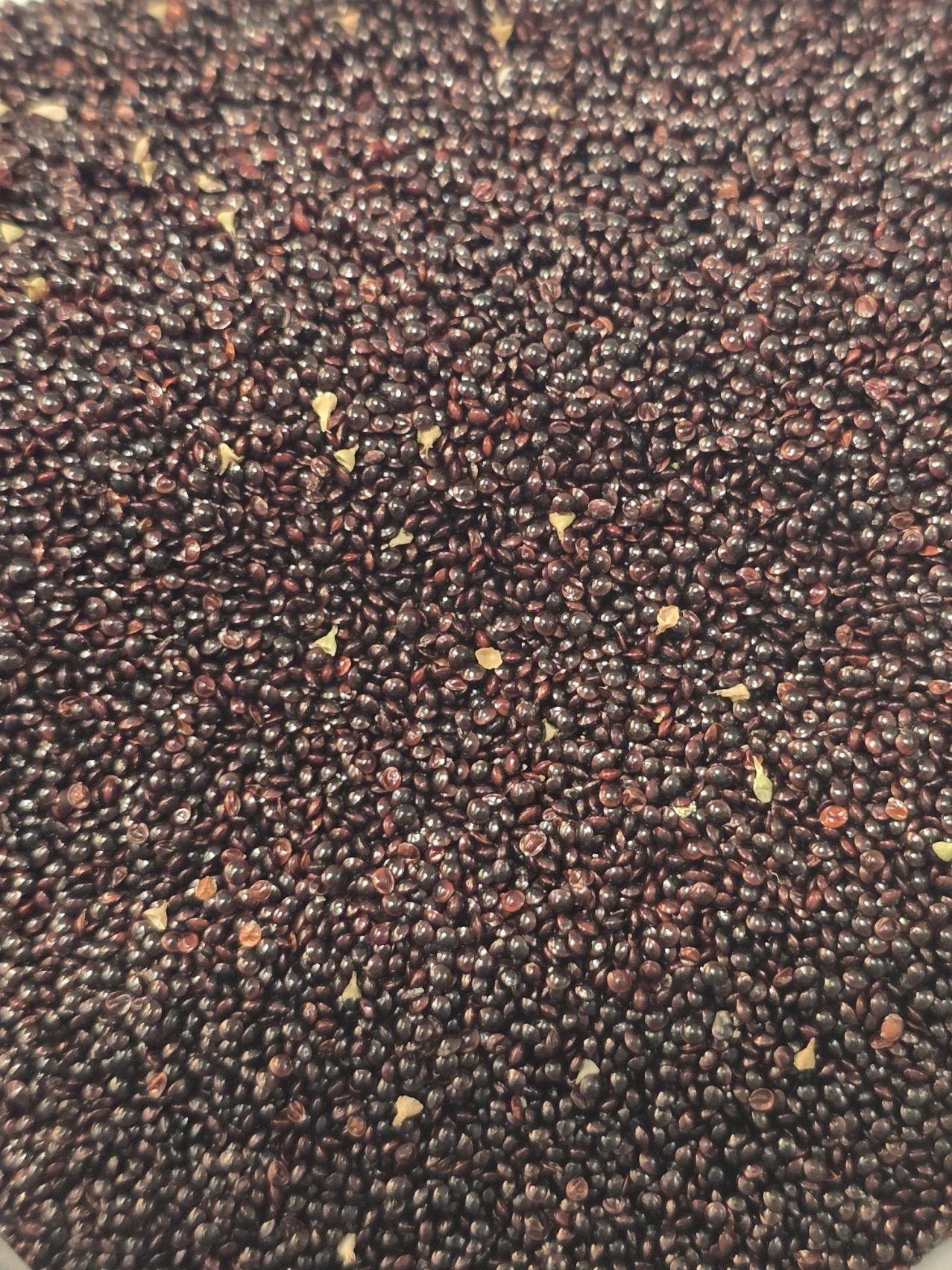
- [SEED QUANTITY] Data Shak (stem amaranth) seeds
- Heirloom, open-pollinated, non-GMO
- Packed by hand in a sealed seed packet
- Simple growing instructions included
━━━━━━━━━━━━━━━━━━
⭐ WHY GROW DATA SHAK?
━━━━━━━━━━━━━━━━━━
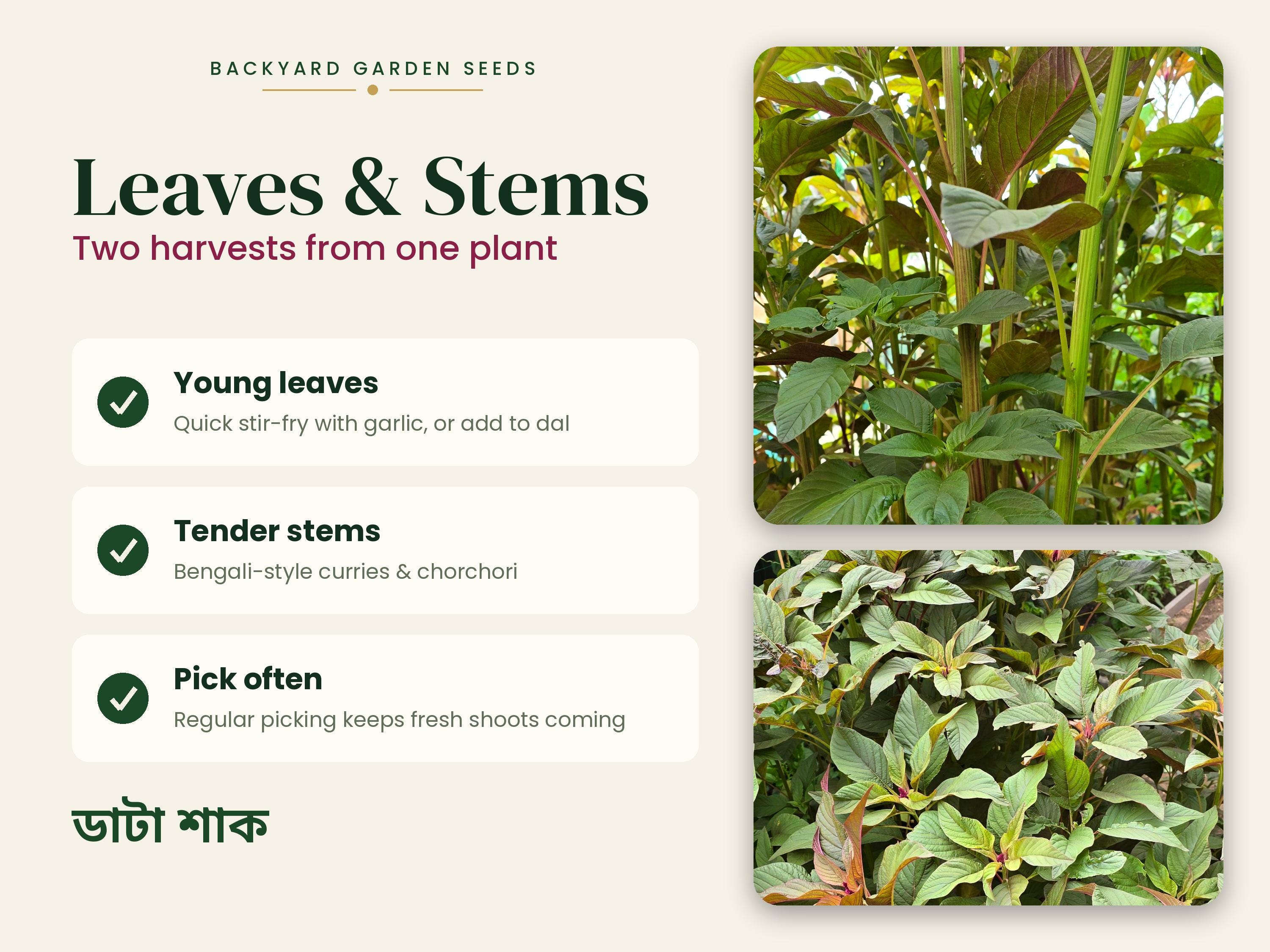
- Two harvests in one plant: tender leaves AND edible stems
- Fast-growing in warm weather
- Thrives in Australian summer heat
- A taste of home for Bengali and South Asian families
- Heirloom seed, so you can save your own seed for next season
━━━━━━━━━━━━━━━━━━
📅 WHEN TO SOW (AUSTRALIA)
━━━━━━━━━━━━━━━━━━
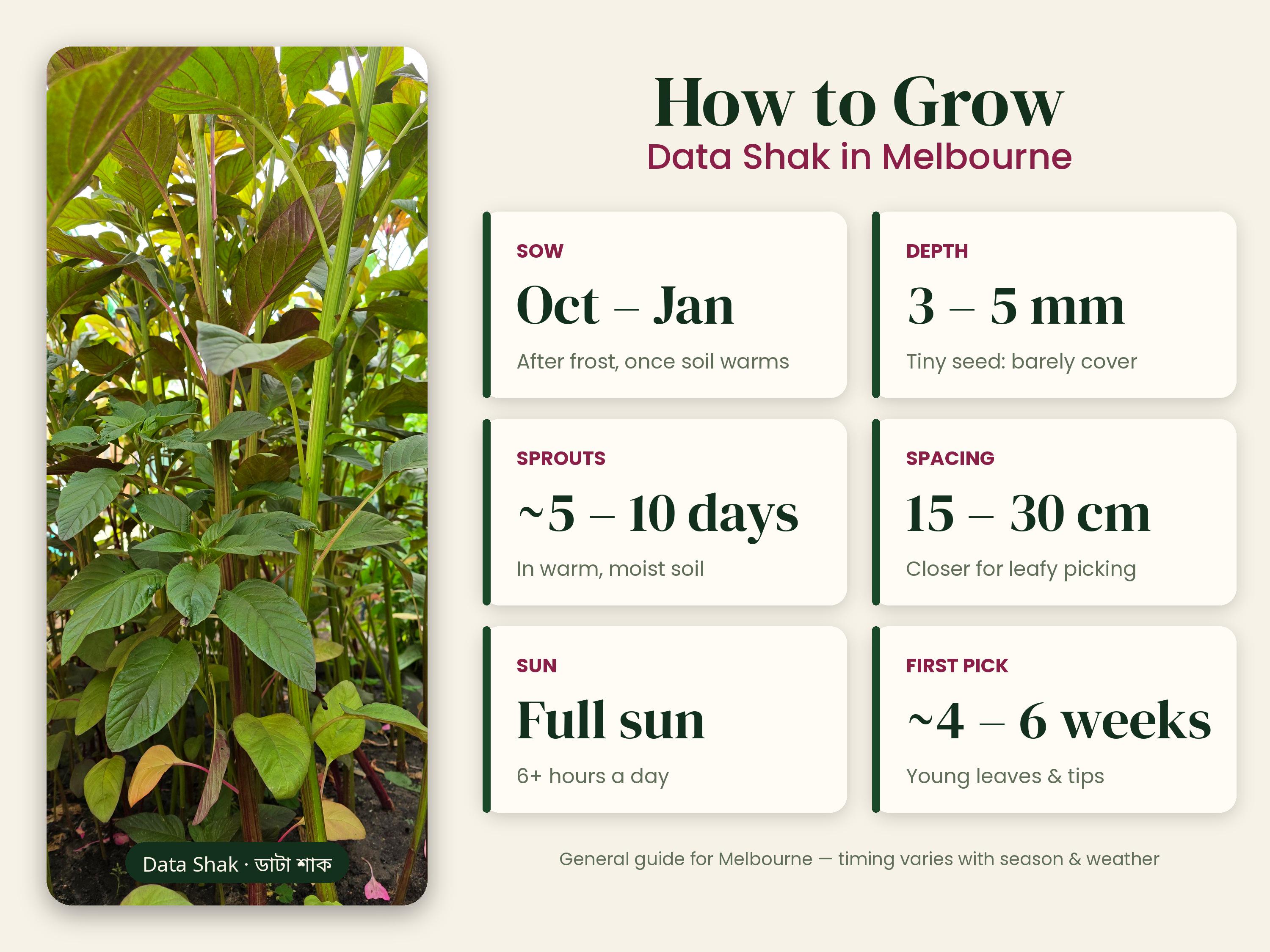
Data Shak needs warm soil and no frost.
- Cool/temperate areas (e.g. Melbourne, Victoria): mid-spring to mid-summer (roughly October–January)
- Warmer and subtropical areas: spring through summer and early autumn
Seeds sown into cold soil germinate slowly or not at all, so wait for warm weather.
━━━━━━━━━━━━━━━━━━
🌱 HOW TO GROW
━━━━━━━━━━━━━━━━━━
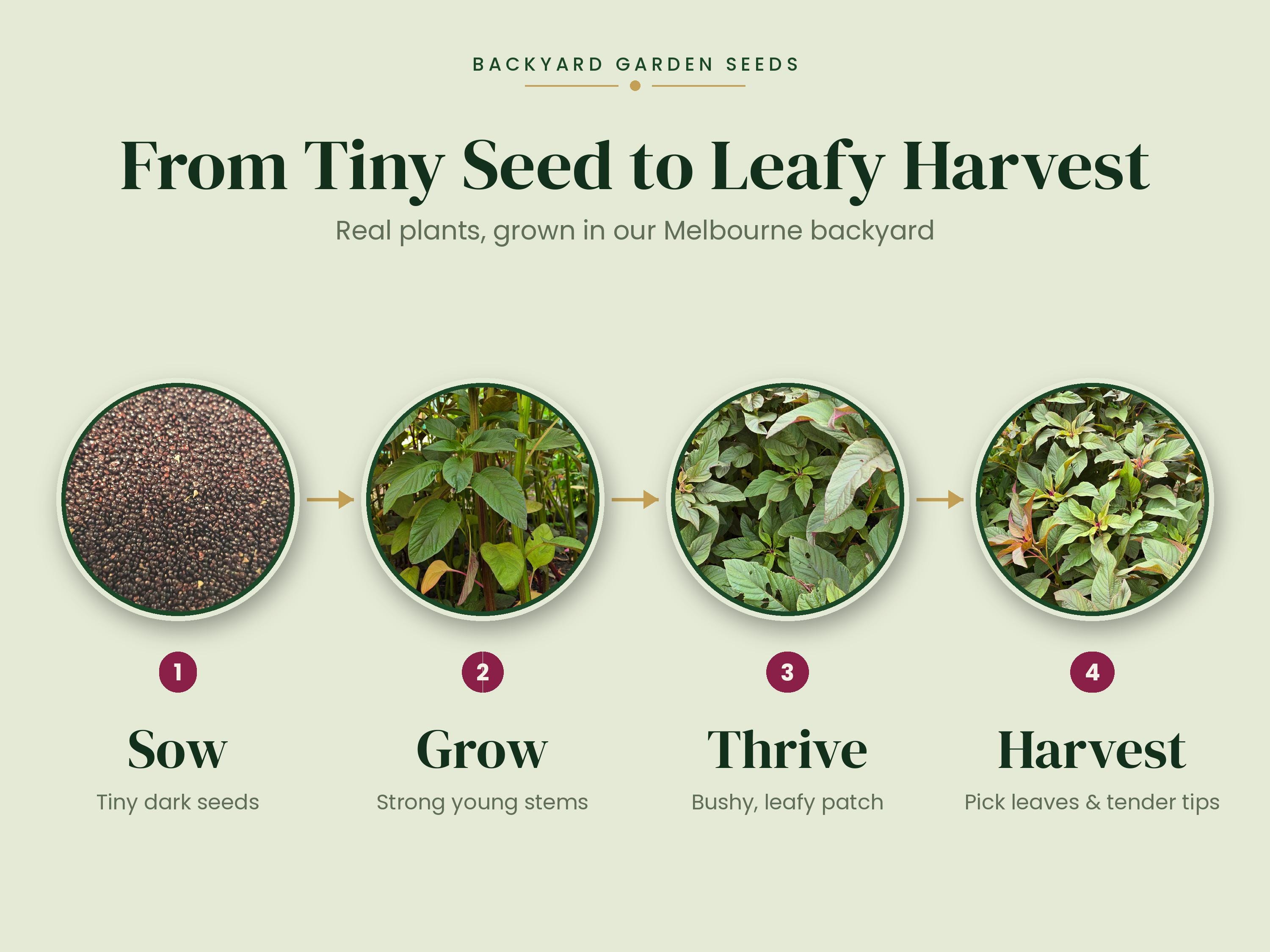
1. SOWING: The seeds are tiny. Sprinkle thinly over moist soil or seed-raising mix and cover lightly (about 3–5 mm). Mixing with a little sand helps spread them evenly.
2. GERMINATION: Usually around 5–10 days in warm conditions. Keep the soil lightly moist.
3. SPACING: Thin seedlings to about 20–30 cm apart. Stem types need more room than leafy amaranth to develop thick stems. The thinnings are edible!
4. SUNLIGHT: Full sun (6+ hours) for strong, thick stems.
5. WATERING: Water deeply and regularly. Steady moisture keeps stems juicy and tender; dry stress makes them tough and fibrous.
6. FEEDING: Dig in plenty of compost before sowing. A nitrogen-rich liquid feed every 2–3 weeks encourages fast, soft growth.
7. SUPPORT: Plants can grow tall. In windy spots, a light stake or planting in a block helps keep them upright.
8. PESTS: Protect young seedlings from snails and slugs. Check for aphids and caterpillars in summer and remove by hand.
━━━━━━━━━━━━━━━━━━
🥬 HARVESTING
━━━━━━━━━━━━━━━━━━
- Young leaves and tips can be picked from about 4–5 weeks
- Stems are usually ready in about 6–8 weeks in warm weather, depending on conditions
- Harvest stems while they're still soft enough to snap or cut easily. Once the plant flowers, stems turn woody quickly
- Peel the outer skin of thicker stems before cooking, and cut into finger-length pieces
━━━━━━━━━━━━━━━━━━
🍲 IN THE KITCHEN
━━━━━━━━━━━━━━━━━━
Data (stems) are perfect in chorchori, shukto, moong dal, or cooked with fish or prawns. Use the leaves like spinach in stir-fries and bhaji. Nothing goes to waste!
━━━━━━━━━━━━━━━━━━
📦 SHIPPING
━━━━━━━━━━━━━━━━━━
[ADD YOUR DETAILS: dispatch time, postage method, tracking, envelope type]
[ADD STATE NOTE: e.g. WA and Tasmania have seed import restrictions]
━━━━━━━━━━━━━━━━━━
🏡 ABOUT BACKYARD GARDEN SEEDS
━━━━━━━━━━━━━━━━━━
We're a small Melbourne backyard seed business specializing in South Asian, Himalayan and heirloom vegetable seeds, the flavors of home grown in Australian gardens.
Questions about growing? Send us a message, we're always happy to help. 💚
If you enjoy growing with our seeds, a review means the world to a small business like ours.